
Why Hard Work Will Keep You Broken & Poor (Stop Being Obedient!)
In this episode, Sabyasachi, World Champion of Public Speaking, discusses the "Indian Operating System" and offers strategies for first-generation expats and professionals to achieve corporate leadership.
The Indian Impact Podcast · Sabyasachi · · 48:48
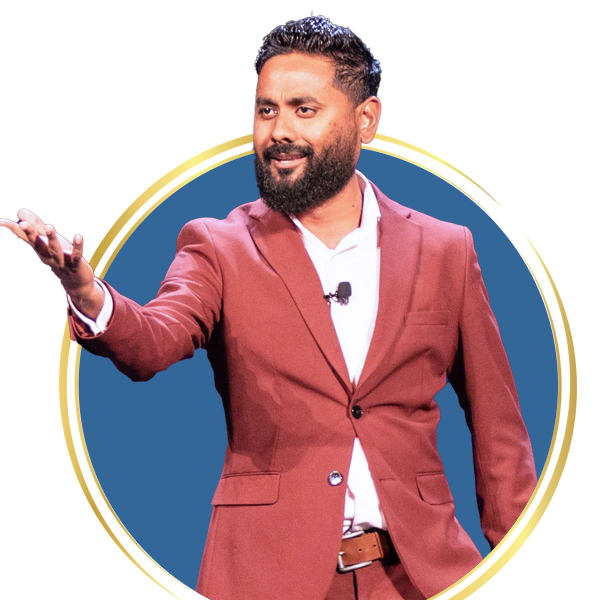
Featured Guest
Sabyasachi Sengupta
2025 World Champion of Public Speaking & Behavioral Consultant · Neurofied & Toastmasters International
This article, based on a recent episode of The Indian Impact Podcast, delves into the challenges Indian professionals face in global corporate environments. Featuring insights from Sabyasachi, World Champion of Public Speaking, it's essential reading for first-generation expats and professionals looking to advance their careers beyond traditional hard work and obedience. For more discussions on career growth and the global Indian experience, visit our podcasts page.
What is the 'Indian Operating System' in Corporate Careers?
The concept of the 'Indian Operating System' refers to a set of ingrained cultural attitudes and behaviours that, while valuable in some contexts, can inadvertently hinder career progression in global corporate settings. This system often emphasises extreme obedience, over-working, and a reluctance to challenge authority, leading professionals to be excellent executors but less likely to ascend to leadership roles.
This mindset can be a significant barrier for those striving to break through corporate glass ceilings, as it often clashes with the demands of leadership, which require strategic thinking, calculated risk-taking, and effective navigation of corporate politics.
Why Hard Work Alone Isn't Enough for Leadership
While diligence is fundamental, the podcast highlights that hard work alone will not guarantee a CEO position. The traditional approach of working extra hours, though commendable, often fails to deliver the same returns as strategic networking or mastering executive presence. Technical expertise, while crucial, does not automatically translate into boardroom success.
Career progression at senior levels increasingly demands a different skill set, including understanding organisational dynamics and influencing stakeholders, areas where over-reliance on sheer effort can fall short. Learn more about navigating life abroad and the global Indian experience.
Overcoming Obstacles: From Obedience to Calculated Risk
Breaking free from the 'Indian Operating System' involves a shift from passive obedience to active engagement. This means moving beyond simply following instructions and instead embracing calculated risks. Leaders are not just problem-solvers; they are visionaries who can anticipate challenges and innovate.
Sabyasachi stresses the importance of mastering real-world networking and focusing on leveraging strengths rather than constantly trying to fix weaknesses. This strategic shift is vital for those aiming for leadership positions.
The Role of Networking and Office Politics
The discussion reveals that networking is often more impactful than simply working longer hours. Building strategic relationships within and outside the organisation is crucial for visibility, mentorship, and unlocking opportunities. Understanding and navigating office politics, often viewed negatively, is presented as a necessary skill for career advancement. It is about understanding power dynamics and influencing outcomes ethically.
Furthermore, effective public speaking and executive presence are highlighted as critical components for success, helping professionals articulate their value and command respect in diverse corporate environments. Explore strategies for personal branding for NRIs.
What Can Gen-Z Teach Us About Boundaries and Growth?
The episode touches upon the valuable lessons that can be learned from Gen-Z regarding boundaries and self-advocacy. This younger generation often demonstrates a stronger inclination to set clear boundaries and say 'no' to excessive demands, prioritising well-being alongside professional ambition.
This approach contrasts with the tendency to overwork, offering insights into fostering a healthier, more sustainable career trajectory that still allows for exponential growth and strategic risk-taking.
Key takeaways
Hard work alone is insufficient for corporate leadership; strategic skills are equally vital.
The "Indian Operating System" of obedience can hinder career advancement in global corporate settings.
Networking and understanding corporate politics are crucial for breaking through glass ceilings.
Embracing calculated risks and focusing on strengths are key for career progression.
Learning to set boundaries, similar to Gen-Z, can lead to healthier and more sustainable career growth.
Mastering public speaking and executive presence is essential for leadership roles.
Frequently asked questions
What is the 'Indian Operating System' in a corporate context?
It refers to cultural traits like extreme obedience and over-working, which, while beneficial in some roles, can impede advancement to leadership positions requiring more autonomy and strategic thinking.
Why isn't hard work enough for career progression?
Hard work is foundational, but senior roles demand skills beyond sheer effort, such as strategic networking, navigating corporate politics, calculated risk-taking, and strong executive presence to achieve leadership positions.
How can Indian professionals overcome corporate glass ceilings?
By shifting from passive obedience to proactive engagement, mastering networking, understanding corporate dynamics, taking calculated risks, and developing strong public speaking and executive presence.
Is office politics necessary for career growth?
The podcast suggests that understanding and navigating office politics is a necessary skill. It involves understanding power dynamics and influencing outcomes to advance one's career ethically.
Who is Sabyasachi?
Sabyasachi is identified as the World Champion of Public Speaking and a key contributor to this podcast episode, sharing insights on career growth and leadership challenges.